Shared Genes May Influence Both Artery Calcification and Bone Density
Study finds shared genetic signals may help explain the connection between heart and bone health
-

Senior Scientist/Director
A new study published suggests that the connection between coronary artery calcification — a measure of calcium buildup in the arteries — and bone mineral density may be driven in part by shared genetic factors, rather than one directly causing the other. By highlighting the biological pathways that influence both vascular and bone health, the findings provide researchers with new directions for understanding age-related changes in the heart and skeleton.
The study, “A comprehensive multi-layered analysis reveals genetic pleiotropy underlying coronary artery calcification and bone mineral density,” published in Bone, analyzed genome-wide data to explore overlapping genetic influences on CAC and estimated calcaneal bone mineral density. Although a broad global correlation between CAC and calcaneal bone mineral density was not observed, the researchers identified five genome regions with significant overlapping genetic signals and 211 shared genes associated with both traits. Key shared genes included SMG6 and PAFAH1B1, and pathway analyses highlighted mechanisms related to oxidative stress and protein degradation that may affect both arteries and bones.
Importantly, these results suggest that the commonly observed clinical association between arterial calcification and bone density may reflect common underlying biology, rather than a direct causal link between vascular and skeletal changes. Understanding these shared pathways may help scientists identify targets for interventions that support both cardiovascular and skeletal health as people age.
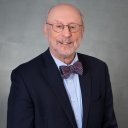
“Our findings show that the same genetic factors may influence both artery calcification and bone density,” said Douglas P. Kiel, MD, MPH, senior scientist at Hebrew SeniorLife’s Hinda and Arthur Marcus Institute for Aging Research. “Rather than one condition driving the other, it appears the same biological pathways may shape how aging affects both the heart’s arteries and the skeleton. This insight opens new avenues for research into mechanisms and interventions that could benefit both cardiovascular and bone health.”
In addition to Kiel, researchers were Tao Han, MS, researcher, Department of Nutrition and Food Hygiene, West China School of Public Health, West China Fourth Hospital, Sichuan University, Chengdu, Sichuan, China; Qu Yang, PhD, epidemiologist, Department of Epidemiology and Biostatistics, West China‑PUMC C. C. Chen Institute of Health, West China School of Public Health, West China Fourth Hospital, Sichuan University; Jiangbo Zhu, MS, researcher, Department of Nutrition and Food Hygiene, West China School of Public Health, West China Fourth Hospital, Sichuan University; Linna Sha, PhD, research professor, Department of Nutrition and Food Hygiene, West China School of Public Health, Sichuan University; Bowen Lei, PhD, epidemiologist, Department of Epidemiology and Biostatistics, West China‑PUMC C. C. Chen Institute of Health, West China School of Public Health, Sichuan University; Rong Xiang, MS, researcher, Department of Nutrition and Food Hygiene, West China School of Public Health, Sichuan University; Xunying Zhao, PhD, scientist, Department of Epidemiology and Biostatistics, West China‑PUMC C. C. Chen Institute of Health, West China School of Public Health, Sichuan University; Jiaojiao Hou, MS, researcher, Department of Epidemiology and Biostatistics, West China‑PUMC C. C. Chen Institute of Health, West China School of Public Health, Sichuan University; Qin Deng, PhD, research scientist, Department of Nutrition and Food Hygiene, West China School of Public Health, Sichuan University; Sirui Zheng, MS, researcher, Department of Nutrition and Food Hygiene, West China School of Public Health, Sichuan University; Jinyu Zhou, PhD, research scientist, Department of Nutrition and Food Hygiene, West China School of Public Health, Sichuan University; Ting Yu, PhD, scientist, Department of Epidemiology and Biostatistics, West China‑PUMC C. C. Chen Institute of Health, West China School of Public Health, Sichuan University; Xin Song, MS, researcher, Department of Epidemiology and Biostatistics, West China‑PUMC C. C. Chen Institute of Health, West China School of Public Health, Sichuan University; Bin Yang, PhD, research scientist, Department of Nutrition and Food Hygiene, West China School of Public Health, Sichuan University; Yangdan Zhong, MS, researcher, Department of Nutrition and Food Hygiene, West China School of Public Health, Sichuan University; Maoyao Xia, PhD, principal investigator, Department of Nutrition and Food Hygiene, West China School of Public Health, Sichuan University; and Xia Jiang, PhD, professor, Department of Nutrition and Food Hygiene and Department of Epidemiology and Biostatistics, West China School of Public Health, Sichuan University, with additional affiliation in the Department of Clinical Neuroscience, Center for Molecular Medicine, Karolinska Institutet, Solna, Sweden.
About Hebrew SeniorLife
Hebrew SeniorLife, an affiliate of Harvard Medical School, is a national senior services leader uniquely dedicated to rethinking, researching, and redefining the possibilities of aging. Hebrew SeniorLife cares for more than 4,500 seniors a day across seven campuses throughout Greater Boston. Locations include: Hebrew Rehabilitation Center-Boston and Hebrew Rehabilitation Center-NewBridge in Dedham; NewBridge on the Charles, Dedham; Orchard Cove, Canton; Simon C. Fireman Community, Randolph; Center Communities of Brookline, Brookline; Jack Satter House, Revere; and Leyland Community, Dorchester. Founded in 1903, Hebrew SeniorLife also conducts influential research into aging at the Hinda and Arthur Marcus Institute for Aging Research, which has a portfolio of more than $87 million, making it one of the largest gerontological research facilities in the U.S. in a clinical setting. It also trains more than 500 geriatric care providers each year. For more information about Hebrew SeniorLife, follow us on our blog, Facebook, Instagram, and LinkedIn.