Noninvasive “Deep Brain” Stimulation Technique Shows Early Promise for Parkinson’s Disease
Transcranial temporal interference stimulation targets key brain circuits without surgery, improving movement in a small clinical study.
-

Senior Scientist
A novel, noninvasive brain stimulation approach — known as transcranial temporal interference stimulation — may offer a new way to treat motor symptoms in Parkinson’s disease without the need for surgery, according to a pilot study appearing in eBioMedicine. The technique, which uses overlapping electrical currents to selectively target deep brain regions, significantly improved movement in patients compared with a sham treatment when targeting the subthalamic nucleus.
Parkinson’s disease is a progressive neurological disorder that affects movement, often causing tremor, stiffness, and slowed motion. One of the most effective treatments for advanced symptoms is deep brain stimulation, which involves implanting electrodes into the brain. Transcranial temporal interference stimulation may be able to achieve a similar effect — targeting the same deep brain structures — but from entirely outside the skull, using carefully calibrated electrical fields delivered through the scalp.
In the randomized, double-blind, crossover study, entitled, “Transcranial temporal interference stimulation targeting the subthalamic region for motor symptoms in Parkinson’s disease: a pilot, randomised, double-blind, sham-controlled crossover study,” 30 people with early- to mid-stage Parkinson’s disease received a single 20-minute session of individualized transcranial temporal interference stimulation targeting the subthalamic region — a key node in the brain’s motor control network — as well as a sham or placebo treatment in a separate session.
The benefits were measurable immediately after stimulation and persisted for at least an hour. Using the Movement Disorders Society Unified Parkinson's Disease Rating Scale (MDS‐UPDRS) Part III, a standard for assessing motor symptoms in Parkinson's disease, transcranial temporal interference stimulation produced significantly greater improvements than the sham condition at all time points. The results showed a marked difference: 70% of participants experienced clinically meaningful improvement after transcranial temporal interference stimulation, compared with just 15% after the sham treatment.
The strongest effects were seen in bradykinesia (slowness of movement) and tremor — two of the most disabling symptoms of Parkinson’s — while improvements in rigidity and balance-related symptoms were less consistent.
Crucially, transcranial temporal interference stimulation was well tolerated. No serious adverse events were reported, and mild sensations, such as tingling or warmth, occurred at similar rates in both the active and sham conditions. Because the method is noninvasive, it avoids surgical risks and ongoing device management associated with implanted brain stimulators.
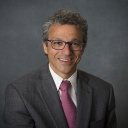
“Transcranial temporal interference stimulation represents a fundamentally different approach to non-invasive neuromodulation — one that can reach deep brain targets without surgery,” said Alvaro Pascual-Leone, MD, PhD, medical director at Hebrew SeniorLife’s Deanna and Sidney Wolk Center for Memory Health. Dr. Pascual-Leone is also a professor of neurology at Harvard Medical School.
“We also need to find out which is the best target in the brain for a given effect and a given patient. Other deep brain nuclei may induce greater benefit and be able to affect different core symptoms of Parkinson’s disease.”
“These early results are promising, so we are already moving forward, together with our collaborators from Shanghai University of Sport, the United Kingdom, and Germany, to conduct larger studies applying multiple sessions of stimulation in subsequent days to induce lasting effects and determine how long the benefits can last, how treatments should be spaced, and which patients are most likely to respond,” said Junhong Zhou, PhD, study co-author and assistant scientist at the Hinda and Arthur Marcus Institute for Aging Research.
“One of the most promising aspects of this work is the ability to individualize stimulation based on each patient’s own brain anatomy. That level of precision could become increasingly important as we learn how to tailor neuromodulation therapies to different Parkinson’s symptoms and different patients,” said Brad Manor, PhD, senior scientist at the Marcus Institute. “A noninvasive technique like transcranial temporal interference stimulation could someday provide a valuable new option either before surgery is considered or alongside existing therapies.”
The researchers caution that the study was designed as a pilot trial and evaluated only short-term effects after a single session. Future research will need to test repeated treatments, longer follow-up periods, and whether transcranial temporal interference stimulation can deliver sustained improvements in everyday functioning.
If confirmed in larger trials, transcranial temporal interference stimulation could open the door to a new class of noninvasive therapies, bringing deep–brain stimulation-like benefits to a broader population of patients without the need for surgery.
In addition to Hebrew SeniorLife’s Pascual-Leone, Zhou and Manor, study authors include Chenhao Yang, PhD, Key Laboratory of Exercise and Health Sciences of Ministry of Education, Shanghai University of Sport, Shanghai, China; Yongxin Xu, Key Laboratory of Exercise and Health Sciences of Ministry of Education, Shanghai University of Sport, Shanghai; Yichao Du, Key Laboratory of Exercise and Health Sciences of Ministry of Education, Shanghai University of Sport, Shanghai; Xiaonan Shen, Key Laboratory of Exercise and Health Sciences of Ministry of Education, Shanghai University of Sport, Shanghai; Tingting Li, Key Laboratory of Exercise and Health Sciences of Ministry of Education, Shanghai University of Sport, Shanghai; Nan Chen, PhD, Department of Rehabilitation, Xinhua Hospital Affiliated to Shanghai Jiaotong University School of Medicine, Shanghai; Yulian Zhu, PhD, Department of Rehabilitation Medicine, Huashan Hospital, Fudan University, Shanghai; Lingyan Huang, Key Laboratory of Exercise and Health Sciences of Ministry of Education, Shanghai University of Sport, Shanghai; Jiaojiao Lü, Key Laboratory of Exercise and Health Sciences of Ministry of Education, Shanghai University of Sport, Shanghai; Lu Li, Key Laboratory of Exercise and Health Sciences of Ministry of Education, Shanghai University of Sport, Shanghai; Zhenyu Qian, Key Laboratory of Exercise and Health Sciences of Ministry of Education, Shanghai University of Sport, Shanghai; Zhen Wang, PhD, School of Martial Arts, Shanghai University of Sport, Shanghai; Ulf Ziemann, MD, Department of Neurology and Stroke and Hertie Institute for Clinical Brain Research, University of Tübingen, Germany; Nir Grossman, PhD, Department of Brain Sciences and UK Dementia Research Institute, Imperial College London; Chencheng Zhang, MD, Department of Neurology, Neurosurgery, Psychiatry and Neuroscience, Ruijin Hospital, Shanghai Jiaotong University School of Medicine, Shanghai; and Yu Liu, PhD, Key Laboratory of Exercise and Health Sciences of Ministry of Education, Shanghai University of Sport, Shanghai.
About Hebrew SeniorLife
Hebrew SeniorLife, an affiliate of Harvard Medical School, is a national senior services leader uniquely dedicated to rethinking, researching, and redefining the /possibilities of aging. Hebrew SeniorLife cares for more than 4,500 seniors a day across seven campuses throughout Greater Boston. Locations include: Hebrew Rehabilitation Center-Boston and Hebrew Rehabilitation Center-NewBridge in Dedham; NewBridge on the Charles, Dedham; Orchard Cove, Canton; Simon C. Fireman Community, Randolph; Center Communities of Brookline, Brookline; Jack Satter House, Revere; and Leyland Community, Dorchester. Founded in 1903, Hebrew SeniorLife also conducts influential research into aging at the Hinda and Arthur Marcus Institute for Aging Research, which has a portfolio of more than $87 million, making it one of the largest gerontological research facilities in the U.S. in a clinical setting. It also trains more than 500 geriatric care providers each year. For more information about Hebrew SeniorLife, follow us on our blog, Facebook, Instagram, and LinkedIn.